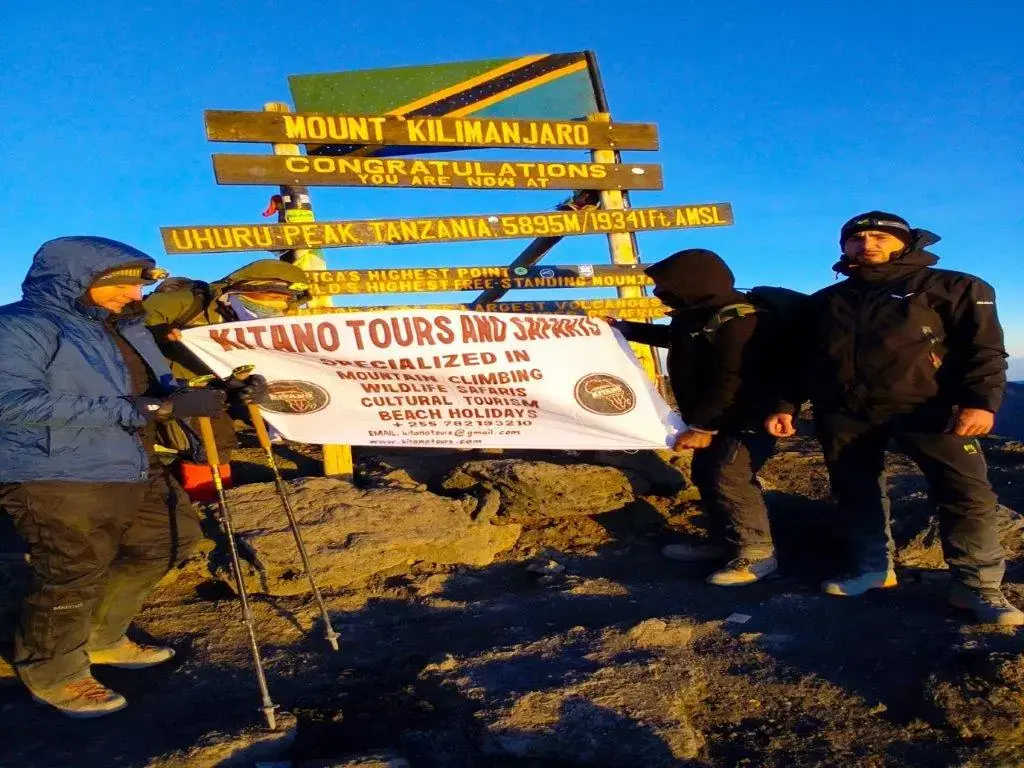
key considerations when climbing Kilimanjaro
attempting Kilimanjaro without training is strongly discouraged due to the physical and mental challenges associated with the climb. Adequate preparation through cardiovascular exercise, strength training, and altitude simulation is essential for increasing your chances of reaching the summit and ensuring a safe and fulfilling experience. Always consult with experienced guides, follow a recommended training regimen, and prioritize your health and safety when considering a Kilimanjaro climb.
Embarking on a climb to the summit of Mount Kilimanjaro, the highest peak in Africa, is a formidable challenge that requires physical fitness, mental preparedness, and acclimatization to high altitudes. While it's theoretically possible to attempt Kilimanjaro without extensive training, it's highly discouraged and significantly increases the risk of failure, injury, or altitude-related illnesses. Here are key considerations:
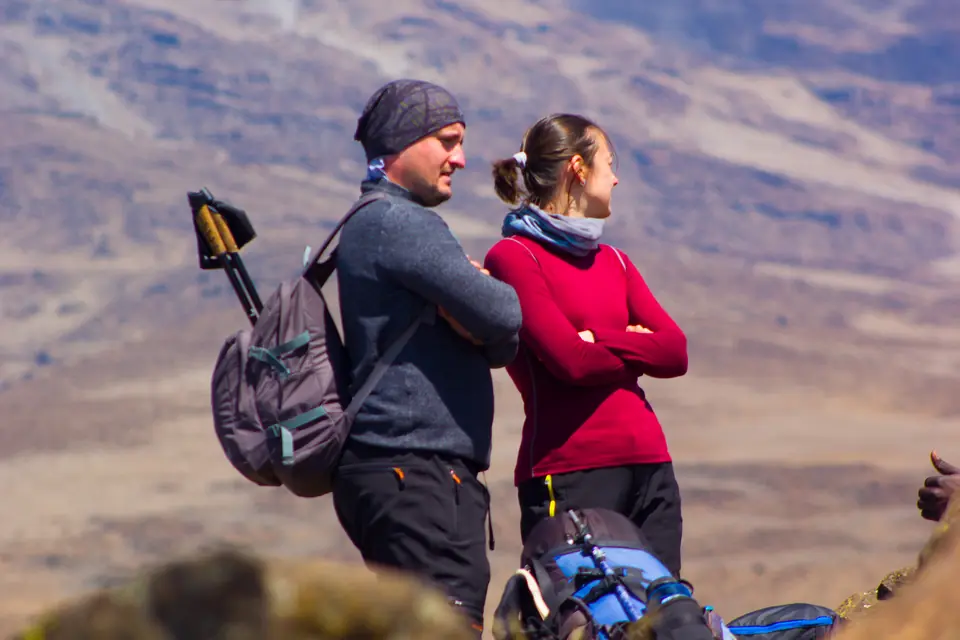
Physical Demands
Climbing Kilimanjaro involves navigating varied terrain, enduring long hours of trekking each day, and facing altitude-related challenges. Adequate physical conditioning is essential to build stamina, endurance, and strength for the demanding ascent.
Altitude Acclimatization
Kilimanjaro's high altitude poses a serious risk of altitude sickness, which can be life-threatening if not managed properly. Training helps the body adapt to lower oxygen levels, improving your chances of acclimatizing successfully during the climb.
Mental Preparedness.
The mental aspect of climbing Kilimanjaro is as crucial as physical fitness. Training prepares climbers for the mental fortitude required to face challenging conditions, cope with fatigue, and persevere through the demanding trek.
Technical Skills
While Kilimanjaro is a non-technical climb that doesn't require advanced mountaineering skills, basic trekking skills and knowledge of the terrain can enhance your safety and enjoyment. Training can cover navigation, proper gear usage, and emergency procedures
Reducing Risks
Training reduces the risk of injuries, such as strains and sprains, which can occur due to the physical demands of the climb. Strengthening muscles and improving flexibility through training can contribute to a safer and more enjoyable experience.
.kt-960.webp)