A Comprehensive Guide to Nutrition at Altitude
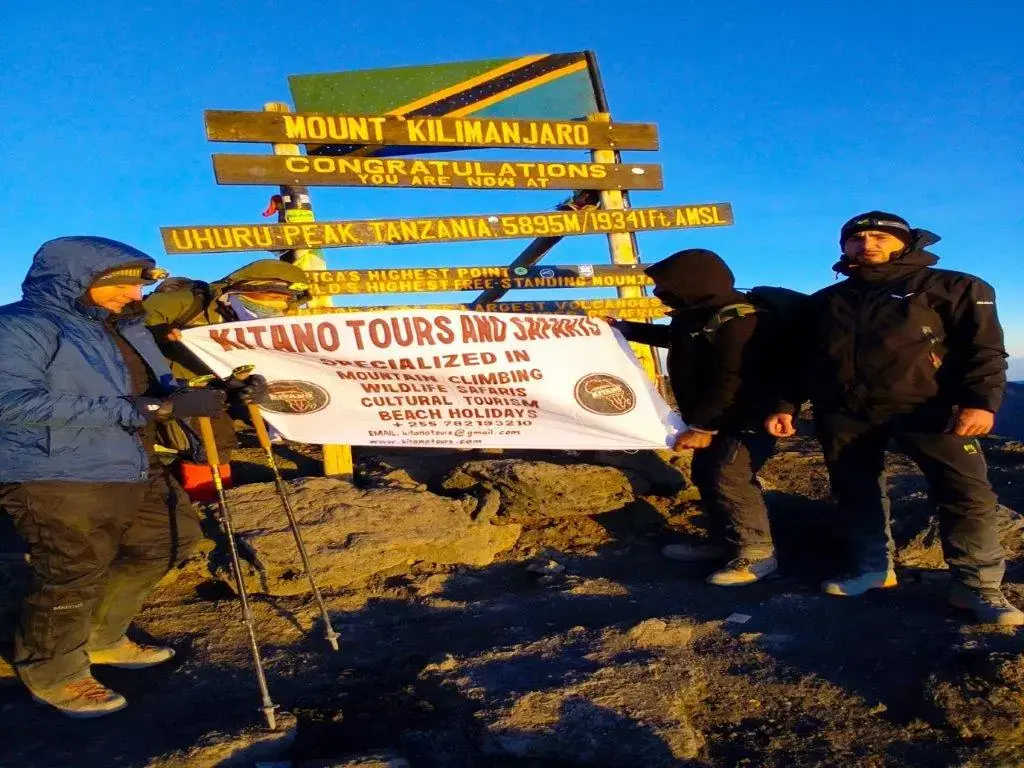
Embarking on the thrilling adventure of climbing Mount Kilimanjaro requires meticulous planning, and one crucial aspect that often gets overlooked is nutrition. The challenging ascent to Africa's highest peak demands a strategic approach to eating, ensuring that climbers maintain energy levels, ward off altitude sickness, and fully enjoy the awe-inspiring journey.
Understanding the Challenges
At an elevation of 19,341 feet (5,895 meters), Kilimanjaro presents unique challenges, primarily due to the high altitude and changing climatic conditions. Oxygen levels decrease as you ascend, affecting metabolism and appetite. Therefore, it becomes imperative to choose foods that not only provide sustenance but also aid in acclimatization.
Carbohydrates Are Key
Carbohydrates are the primary source of energy, making them essential for Kilimanjaro climbers. Opt for complex carbohydrates like whole grains, oats, and quinoa. These foods release energy slowly, helping you maintain stamina throughout the ascent.
Protein for Strength
Include lean proteins in your diet to support muscle strength. Options like chicken, fish, beans, and nuts are excellent choices. Protein aids in muscle repair and recovery, crucial for the physical exertion of climbing.
Hydration Matters
Staying hydrated is critical at high altitudes. Drink plenty of water and consider electrolyte-rich beverages to replenish minerals lost through sweating. Avoid excessive caffeine and alcohol consumption, as they can contribute to dehydration.
Park in the snacks
On your climb, you'll appreciate the convenience of easily accessible snacks. Nuts, energy bars, and dried fruits are lightweight, nutrient-dense options that can be consumed on the go, providing quick boosts of energy.
Meal Ideas for Kilimanjaro Climbers
Breakfast
Kickstart your day with a hearty breakfast. Opt for oatmeal with nuts and dried fruits, providing a balance of carbohydrates, proteins, and essential nutrients.
Lunch
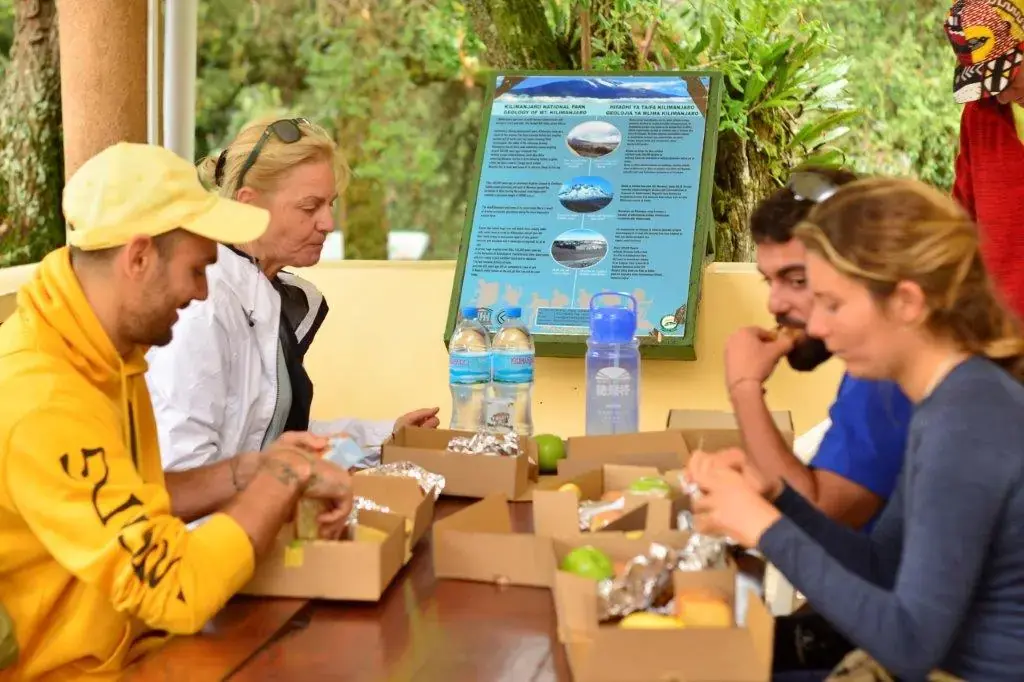
Pack a nourishing lunch, perhaps a whole-grain sandwich with lean protein and a variety of vegetables. Add in a piece of fruit for a refreshing burst of energy.
Dinner
Snack suggestions
- Trail mix with nuts and dried fruits
- Energy bars with oats and honey
- Dark chocolate for a quick energy boost
.kt-960.webp)