Why the Umbwe Route Has a Lower Success Rate
Rapid Altitude Gain The Umbwe Route has a steep and direct trail that ascends quickly, leaving little time for the body to adjust to higher altitudes. This rapid gain significantly increases the risk of altitude sickness, one of the primary reasons climbers fail to reach the summit.
Short Duration Most itineraries for the Umbwe Route are 5-6 days, which is shorter than the 7-8 days offered by more gradual routes like Lemosho or Rongai. The shorter timeframe further limits the opportunity for proper acclimatization.
Challenging Terrain The route's steep inclines and rugged paths require excellent physical fitness and stamina. This physical demand can be exhausting, especially for climbers who are not adequately prepared.
Limited Acclimatization Options Unlike other routes, the Umbwe Route doesn't provide many opportunities to "climb high, sleep low," a key strategy for acclimatization.
Is the Umbwe Route Right for You?
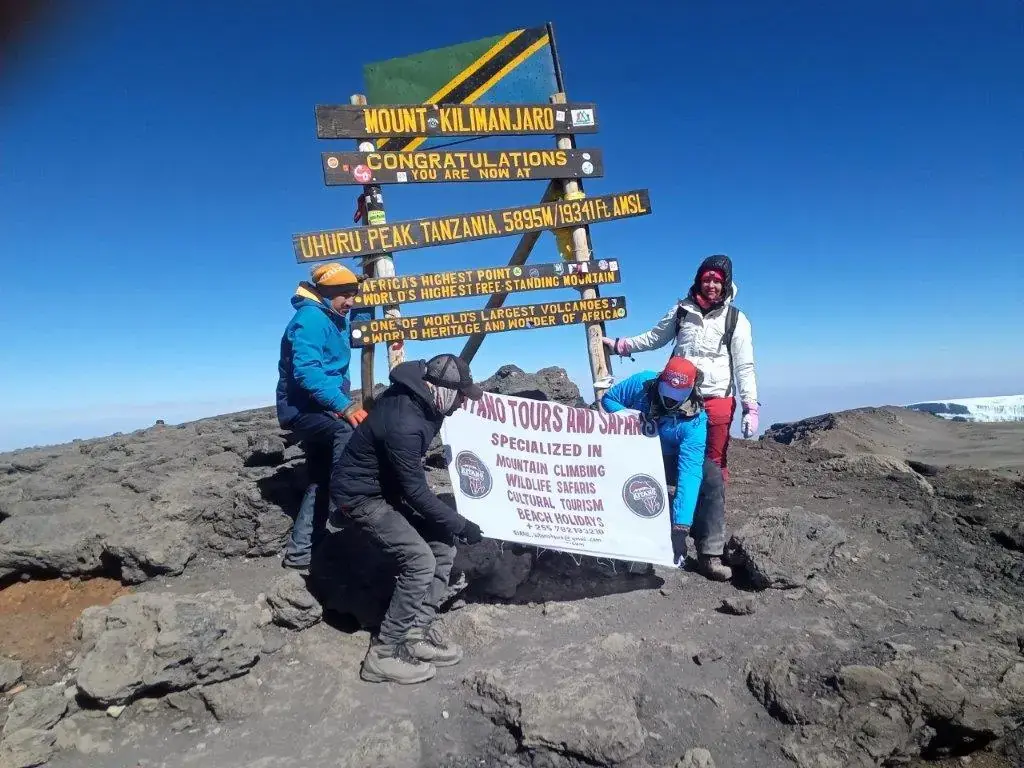
The Umbwe Route is best suited for climbers with prior trekking experience who are looking for a physical and mental challenge. Its dramatic landscapes and remote trail offer a rewarding adventure for those prepared to take it on. While the success rate is lower than other routes, proper preparation, fitness, and guidance can greatly improve your chances of reaching Uhuru Peak.
If you're ready to tackle one of Kilimanjaro's most demanding routes, ensure you plan thoroughly and embark on this journey with determination and resilience. Book your Umbwe Route trek today and challenge yourself to conquer the roof of Africa!